Boosting Mobility and Safety for Your Aging Dog
🏆 Senior Living Made Easy:
Seeing our faithful companions slow down is one of the hardest parts of owning a senior dog. The graceful leaps and bounding energy may be replaced by stiffness and hesitancy. However, as dog owners, we have the power to make simple yet transformative changes to their environment to boost their mobility and ensure their safety.
Our goal isn’t just to manage their discomfort, but to empower them to move confidently through their golden years.
1. 🏡 Pavement is Painful: Traction is Key
The single biggest hazard for a dog with arthritis or weakened muscles is a slick floor. Hardwood, tile, and laminate are like ice rinks for unsteady paws.
Rugs and Runners: Place low-profile, non-slip area rugs and runners in high-traffic areas, especially where your dog eats, sleeps, and enters/exits the house. Crucially, ensure these rugs have rubber backing or use rug grippers.
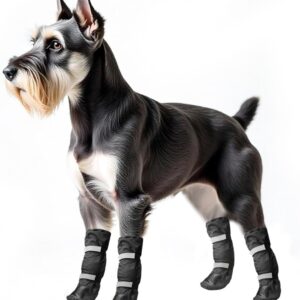
Paw Grips: Consider specialized products like traction socks, boots, or nail grips (non-slip coatings applied to the nails) that can provide immediate friction on slick floors. Regular paw hair trimming can also help prevent slipping.
2. 🛏️ Simplify Elevation Changes
Stairs, cars, and even getting onto the couch or bed can become insurmountable obstacles, causing stress and risking injury.
Ramps Over Stairs: Install lightweight, non-slip ramps instead of relying on your dog to navigate a full flight of stairs. This saves their joints and prevents catastrophic falls.
Car Access: Use a ramp or sturdy folding steps to help your dog get into the car for vet visits or outings. Never let them attempt a high jump, as the landing shock can be painful.
Pet Steps: Place wide, shallow pet steps or stairs next to their favorite resting spots (couch, bed). Look for those covered in carpet or a high-traction fabric.
3. 🔦 Strategic Lighting and Orientation
Senior dogs often experience vision and hearing loss, making navigation challenging, particularly at night.
Nightlights are Essential: Place nightlights along the pathways your dog uses most—to the water bowl, their bed, and the backyard door.
Consistency: Avoid rearranging furniture. A consistent layout allows a dog with vision loss to rely on muscle memory (spatial awareness) and scent cues to move around safely.
Scent Markers: If vision is severely impaired, use subtle scent markers (a safe essential oil on a piece of cloth) near critical points like the bottom of stairs or the door to the outside.
4. 💪 Support and Assistance Tools
Sometimes, our dogs just need a little boost, especially when their back end starts to weaken (a common issue with degenerative myelopathy or severe hip dysplasia).
Support Harnesses: Invest in a full-body or rear-end support harness with handles. These are perfect for gently helping them stand up, walk a short distance, or navigate a few steps. They transfer the weight from your dog’s painful joints to your arms.
Orthopedic Beds: A supportive, orthopedic memory foam bed is critical. It cushions pressure points and makes it easier for them to stand up from a resting position, as they won’t sink deeply into the bedding.
Boosting mobility isn’t about halting the aging process; it’s about providing the best possible support system so your senior dog can continue to enjoy their life with dignity, confidence, and safety. A few simple adjustments can significantly improve their daily comfort and well-being.