Elevating Senior Dog Mealtimes
The Benefits of Raised Bowls
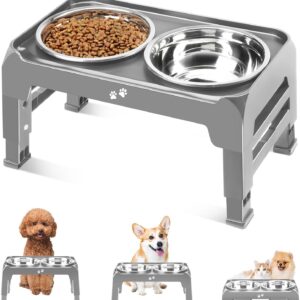
As our beloved companions enter their golden years, we naturally look for ways to make their lives as comfortable and joyful as possible. One simple yet impactful change that can significantly enhance the daily routine of a senior dog is the introduction of raised feeding bowls.
If you’ve noticed your older dog slowing down, showing stiffness, or hesitating before bending down to eat, a raised bowl could be the perfect solution.
🤔 Why is a Raised Bowl Better for Senior Dogs?
A senior dog often deals with age-related conditions that make bending down to floor level a challenge. Here’s how elevated bowls address these issues:
1. Easing Joint Pain and Strain
Many senior dogs suffer from arthritis, hip dysplasia, or other mobility issues. When they eat from a bowl on the floor, they must put extra stress on their neck, shoulders, and front leg joints.
Reduced Neck and Back Strain: A raised bowl allows your dog to keep their neck in a more natural, neutral position while eating and drinking. This dramatically reduces the need to stretch or crouch uncomfortably, minimizing pain and muscle strain.
Improved Posture: By eating at a comfortable height, they maintain better overall posture, which can make mealtime a much more relaxed experience.
2. Aiding Swallowing and Digestion
For some seniors, eating too quickly or from a low position can lead to issues like gagging, coughing, or simply having a harder time swallowing.
Better Esophageal Alignment: Eating at a more upright angle helps gravity work more effectively, allowing food to travel down the esophagus and into the stomach more smoothly. This can be especially beneficial for large-breed dogs or those prone to regurgitation.
3. Enhancing Comfort for Megasophagus
While always requiring veterinary consultation, dogs diagnosed with conditions like Megasophagus (an enlargement of the esophagus) often require a specialized upright feeding position (sometimes using a device like a Bailey Chair). For dogs with less severe issues, or as part of a post-diagnosis management plan, raised bowls can contribute to a more appropriate feeding angle. Always consult your veterinarian if you suspect a digestive issue.
4. Promoting Slowed Eating
Sometimes, dogs can gulp down their food too fast when they feel uncomfortable or rushed. By making the eating position more relaxed and accessible, some owners report that their dogs take their time, leading to better satiety and less chance of an upset stomach.
📏 Finding the Perfect Height
The key to a raised bowl’s success is finding the right height. A bowl that is too high can be just as uncomfortable as one that is too low!
The Rule of Thumb: The top of the bowl should be roughly at your dog’s chest height, or where their lower chest meets their front legs.
Measure: Measure your dog from the floor up to their wither (the top of their shoulder). The stand should hold the bowl at a height that is about 4 to 6 inches below that measurement.
Observe: Watch your dog eat. Their head should be mostly level, with a slight, comfortable downward tilt. They should not have to crane their neck up or drastically bend their neck down.
✨ Conclusion: A Simple Upgrade, A Big Impact
Introducing a raised bowl is a straightforward, affordable, and effective way to show your senior dog you care about their comfort during one of their most anticipated times of the day. A pain-free mealtime isn’t just about nutrition—it’s about preserving their quality of life and making their remaining years happy and easy.